I was at this year's Vancouver International Wine Festival, perusing the many lanes of wine from California, and one particular set of wines kept drawing me back time and time-again:
It was the wines of Ray Signorello and Signorello Estates.
I had the pleasure of speaking with Ray just a few weeks ago, after I had sat with his local importer *(Evolution Fine Wines) for a portfolio tasting. Ray not only keeps a home in Vancouver as well as Napa, but also travels extensively to promote his business. I appreciated, then, Ray making the time to discuss his passion.
I had been under the mis-perception that Ray was a native Vancouverite and so wondered quite innocently whether Ray had felt accepted by the Napa Valley community when his father purchased land for a vineyard in the mid 70's. Ray explained that though his family moved to Vancouver in the 60's, they're actually old-school California; emigrating there in 1904 from Italy, with serious roots in the areas surrounding San Francisco.
And then Ray clarified my notions of a wine-community in Napa Valley... when his family purchased their current vineyard in '77, there were only about 100 or so odd winemakers in all of California. A far cry from the over 450 wineries in Napa Valley alone today! The community was small, and yes - tight-knit as one would imagine. But these were a people, this was a time, when sharing was part of common manners. The Signorellos were welcomed into the fold, and the Signorellos became active in the community.
If watching hockey and fighting archaic liquor laws is an unwritten aspect to being a winemaker in BC, then re-investing in the Napa Valley Vintner's Association and supporting a globally recognized American AVA is part-and-parcel of being one in this region. But there's a way to supporting that brand that Ray Signorello feels is appropriate;
Some newer wineries have adopted an almost "Disney-land like" atmosphere. Far be it for anyone to tell another business-person what is wrong (or right), Ray simply states how he wants to run his business. Signorello Estates is a winery that produces world-class products; enjoy the pairings with food in their restaurant... one of the first in a winery in the region. Ray explains how this is something the winery did not to increase profits, but to increase the customers enjoyment and understanding of the wines.
A sensible way to showcase their efforts, I still wish I could drink the wine while riding a Ferriswheel... :)
The first wine I tried was a Chardonnay that I've come back to time-and-time-again over the years. This wine sings with precision and is eloquent in its expression of region; it was a genuine privilege to taste it again and make notes. Made in honor of Ray's mother (Hope Signorello), I must believe that she was an extraordinary woman to inspire such persistence from her son (the accountants have asked Ray to rip out the vines as they are no longer fiscally viable... Ray has refused and I for one hope he continues making this wine for decades).
 |
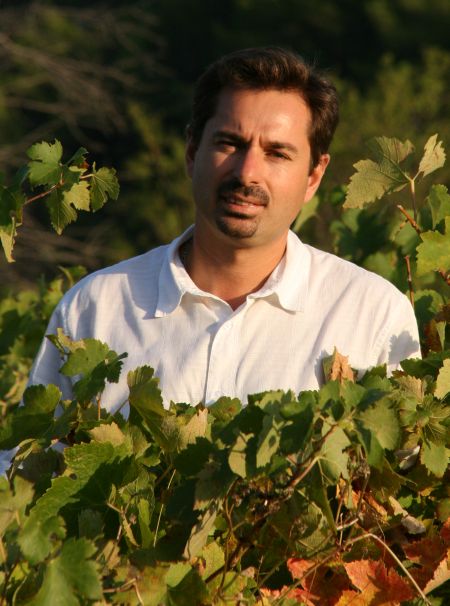
| Ray Signorello |
I had been under the mis-perception that Ray was a native Vancouverite and so wondered quite innocently whether Ray had felt accepted by the Napa Valley community when his father purchased land for a vineyard in the mid 70's. Ray explained that though his family moved to Vancouver in the 60's, they're actually old-school California; emigrating there in 1904 from Italy, with serious roots in the areas surrounding San Francisco.
And then Ray clarified my notions of a wine-community in Napa Valley... when his family purchased their current vineyard in '77, there were only about 100 or so odd winemakers in all of California. A far cry from the over 450 wineries in Napa Valley alone today! The community was small, and yes - tight-knit as one would imagine. But these were a people, this was a time, when sharing was part of common manners. The Signorellos were welcomed into the fold, and the Signorellos became active in the community.
If watching hockey and fighting archaic liquor laws is an unwritten aspect to being a winemaker in BC, then re-investing in the Napa Valley Vintner's Association and supporting a globally recognized American AVA is part-and-parcel of being one in this region. But there's a way to supporting that brand that Ray Signorello feels is appropriate;
Some newer wineries have adopted an almost "Disney-land like" atmosphere. Far be it for anyone to tell another business-person what is wrong (or right), Ray simply states how he wants to run his business. Signorello Estates is a winery that produces world-class products; enjoy the pairings with food in their restaurant... one of the first in a winery in the region. Ray explains how this is something the winery did not to increase profits, but to increase the customers enjoyment and understanding of the wines.
A sensible way to showcase their efforts, I still wish I could drink the wine while riding a Ferriswheel... :)
The first wine I tried was a Chardonnay that I've come back to time-and-time-again over the years. This wine sings with precision and is eloquent in its expression of region; it was a genuine privilege to taste it again and make notes. Made in honor of Ray's mother (Hope Signorello), I must believe that she was an extraordinary woman to inspire such persistence from her son (the accountants have asked Ray to rip out the vines as they are no longer fiscally viable... Ray
2010 Signorello Hope's Cuvee Chardonnay
 $89.99 BC
$59.99 Alberta
92+ points
93 points The Wine Advocate
first vintage affected by Luc Morlet, consulting winemaker
no cold stabilization
no cold stabilization
wild yeast ferment
100 % malolactic fermentation in French oak (40% new)
10 months on the lees
16 months in barrel (twice the local average)
16 months in barrel (twice the local average)
30 year old vines, harvested at night
530 cases produced
- visual: clear; medium straw core with silver highlights
- nose: clean; fully intense and youthful aromas of spice and apples, stonefruit ripening and warm straw
- palate: clean; dry, medium+ green/yellow apple acids, medium+ body, medium+ alcohol (14.6% ABV), fully intense and youthful flavors which mimick the nose; a brilliantly precise minerality is immediately apparent with young honey tones singing on the tastebuds and lemon balm/citrus to follow, light toffee, seasalt and oak tones. Excellent structure, balance and length
- conclusion: a brilliant example of varietal, this is a truly world-class wine meriting time and attention. A joy to drink now, and a pleasure to cellar... Enjoy 2013-2018
- FOOD PAIRING: though an obvious choice for rich seafood dishes (Newburg, coquilles St Jacques) or veal, this makes me want my favorite butter poached rabbit! Need a recipe, just ask.
We followed the world-class Chardonnay with a lengthy foray into the great grape of Napa Valley: Cabernet Sauvignon. Certainly many varietals grow well here including Syrah, Merlot, Petit Syrah, Petit Verdot and others, but in this AVA Cab-Sauv must be the undisputed king!
As Ray's family had now been on this land for over 35 years, I was curious to discover what had evolved in their understanding of the terroir. Much like the monks had learned in the valleys of Tuscany, centuries ago, the Signorellos are learning which clones do best on which slopes. They are learning how to decrease yields to increase results and create a more interesting wine. Indeed, Ray stipulated that one of the keys to learning the land was "Keeping an open mind... because this (winemaking) is a never ending cycle of learning".
2010 "Trim" Cabernet Sauvignon
 89-90 points
$19.99 (SPEC) BC
$11.99 Alberta
83% Cab-Sauv, 9% Merlot, 8% Syrah
- visual: clear; fully intense bruised garnet core, bright cherry rim
- nose: clean; fully intense and youthful aromas of bright fresh cherry blossoms, winter spices (allspice, nutmeg), plums and raspberries with worn leather and light caramel tones in the background
- palate: clean; dry, fully intense raspberry/red currant acid, medium silky tannin, medium+ body, medium alcohol (13.8% ABV), medium+ intense and youthful flavors much in-line with the nose; the bright berries flavors dominate the front palate with a solid yet graceful oak-driven finish. Very good balance and structure, medium+ length
- conclusion: truly competitive in it's price-point and meant to be enjoyed now. Enjoy 2013-2017
- FOOD PAIRING: a young wine like this has enough muscle to handle some truly big flavors in food, consider carne asada with roasted corn salsa, pickled okra and watermelon salad
2010 "Edge" Cabernet Sauvignon
 |
| courtesy WineAlign.com |
$29.99 BC
$21 @Costco Alberta
*2012 Decanter Wine Awards commended medal recipient
86% Cab-Sauv, 9% Syrah, 5% Merlot
aged minimum 15 months in French and American oak
- visual: clear; fully intense garnet core with bruised cherry rim
- nose: clean; fully intense youthful aromas developing with dark floral notes, plums, red and black raspberries, spicy mineral undertones
- palate: clean; dry, fully intense red and black raspberry acid, fully intense green and grippy tannin, medium+ body, medium+ alcohol (13.8%), medium+ to fully intense youthful flavors much like the nose with bright/fresh floral tones balanced by warm earth and wood-notes (sandalwood). Excellent balance, very good structure and long- length
- conclusion: basic rule-of-thumb for me is "However long it spends in barrel, give it twice as long in bottle before consumption". This can be drunk now, but will evolve for several years... best 2015-2020+
- FOOD PAIRINGS: This wine is starting to display a variety of flavor profiles and as such, I want to give some focus back to the wine. Consider a lamb bolognese with crispy prosciutto chips, steamed baby vegetables and roasted garlic-black olive ficelle (bread). The wine has the fullness of acid to enjoy a pairing with fatty lamb, the stewed flavors in the sauce will contrast the freshness of the wine, salty prosciutto plays off berry tones as does briney olive whilst roasted garlic marries with the earthy wood notes
By the time I got to this part of the tasting, I was starting to get a bit of a sense of region from the red wines. Not just technically proficient, here was wine that was starting to tell a story of it's land and to me, that was exciting. I asked Ray what it was that made his land, his terroir, unique.

One of Ray's favorite parcels of the vineyard is the south-east corner, on a rocky hillside that has 2 different exposures; south and east... here it's a little cooler then in other parts because of the way the wind caresses the slope. Here the grapes are allowed (by Mother Nature) a little more hang-time, lowering the base alcohol and creating more balance in the finished product. This is the slope that speaks to Ray, and Ray is listening carefully, to make the wine that wants to be made.
2010 "Fuse" Napa Valley Cabernet Sauvignon
 93 Points
$39.99 BC
$24.99 Alberta
82% Cab-Sauv, 15% Syrah, 3% Merlot
4th vintage for this wine
all varietals aged separately in French and American barrel for 15 months
barrels are racked every 6 months
4,539 cases produced
- visual: clear; fully intense garnet core with plum/cherry rim
- nose: clean; fully intense and developing bouquet; a thinking man's wine - green pepper bursts on ripe, red fruit with a tenacious streak of exotic leather, tobacco and graphite filling the backdrop. Stunning.
- palate: clean; dry, medium+ currant acid, medium+ soft/chewy tannin, medium+ body, medium+ alcohol (13.8% ABV), medium+ to fully intense youthful yet developing flavors much like the nose; for all that this wine carries Syrah, in taste it approaches Right Bank Bordeaux in it's delivery - rich, complex, red and blue fruit driving earth tones with precise minerality guiding the way. Excellent balance, structure and length... just give it time!
- conclusion: a wine just barely coming into it's own... almost a shame to drink it now. Almost! Will develop in bottle for years and most likely decades. Enjoy 2015-2025+
- FOOD PAIRING: forgive me - no food pairing. This is a wine I want to savour with good friends, a fireplace and a quiet evening. If I must pair it with food, then let me think of this like a Frenchman; cotes du beouf with foie-gras stuffed morel mushrooms, parsnip pave, and a salad of endive-raddichio-Asiago to start...
Undeniably one of the highlights of the tasting for me! The wines that follow are truly world-class but, for me, to get this quality and at this price is rare. This is an incredibly articulate wine, capable of being poured beside many many bottles far more expensive... have a rich uncle and want to WOW him? Pour him a glass of this. He'll thank you for it, and so will your wallet!
But tasting this wine made me think of the many legends in California that Ray and his father must have known and gotten to know in those early days - those cowboy days when Montelena was kicking ass and taking names in France. I asked Ray who his inspirations were and Ray responded with a litany almost too fast and furious to keep up with:
- the great Robert Mondavi; his passion for the industry and especially for Napa
- Harlan estates; for their unyielding pursuit of quality and dedication to excellence in single vision estates
- Guigal; for making truly momentous wines
- Romanee Conti; for making Romanee Conti a noun/verb/adverb/adjective in winemaking greatness
- Giacomo Conterno; for bringing global recognition and respect to the Piedmonte wine and it's aging potential
2009 Signorello Estate Cabernet Sauvignon
 95+ points
95 points Wine Enthusiast
$97.99 BC
$63.99 Alberta
88% Cab-Sauv, 12% Cabernet Franc
100% Estate fruit
vines planted 1990
production 381 cases
- visual: clear; deep garnet core with slightest cherry rim
- nose: clean; fully+ intense youthful bouquet of spicy plum compote, wood tones, aged leather, savory underbrush (sous-bois to the French)
- palate: clean; dry, medium+ black raspberry acid, fully intense grippy/chewy tannin, medium+ body, medium alcohol (14.7% ABV), fully intense and youthful favors mimicking the nose starting with dark red berries and leather notes, to ultra dark cocoa (think 87%) and an ultra-precise graphite backbone. And it keeps evolving evolving evolving on the palate! Excellent balance, World-class structure, World-class length
- conclusion: This stunning wine is already accessible, but in a "young-Barolo" manner; my friends in Piedmont don't drink Barolo (in general) before they are 10-15 years old... Drink 2013-2030+, in my humble opinion will start to peak around 2018-2020
- FOOD PAIRING: consider: coffee crusted beef carpaccio on toasted rye, boursin creme fraiche, fresh thyme infused poached apricot... for me, with the manner in which this wine is displaying it's strengths, I would want to play off of the cocoa notes and the savoury tones. Coffee loves cocoa and the beef is a given, the toasted rye gives nutty quality not unlike some of the woodsy tones in the wine, the boursin is a bit bitter and creamy - playing well with the tighter berry flavors and finally the herb infused stonefruit will draw out the herb/sous-bois from the wine, making it feel a bit more Old World
By this time, I knew that I was in the presence of remarkable winemaking. And I knew that there would be young winemakers out there wondering "How do I ever get to this level?" Well... never one to mince words, I asked Ray what his advice would be to someone just starting out.
"It's important to know other wines - tasting other people's work and drawing from that experience." Ray answered, "then carve out your own style and stick to it! Be impassioned by it! Great wine is as much about the story behind the wine as it is about what's in the glass (or bottle)."
I'm pretty sure I know what Ray means by that - it's much the same advice my grandfather gave me when I said I wanted to be a writer... but Ray wasn't done yet! "Having your own vines - " he continued, "- that's the ultimate goal! That's what's going to give your wine - you new winemakers out there - that's what gives your wines true longevity."
2008 "Padrone" Napa Valley Estate Blend
 96 points
93+ points Robert Parker
89% Cab-Sauv, 11% Merlot
100% Estate
yield a meagre 1.3 tons/acre
production 430 *6 bottle cases
native yeast fermentation
extended maceration (25 days)
maturation 20 months in 70% new Troncais, Nevers and Alliers oak
non-filtered
- visual: clear; fully intense garnet core with slightly brickish cherry rim
- nose: clean; fully intense developing bouquet of warm Winter spices, dark floral tones, eucalyptus, orange peel, ultra premium cigar tobacco (Romeo and Julietta anyone?), nuanced sous-bois abounds with a finish of ripening dark berries
- palate: clean; dry, medium+ to fully intense black raspberry and black currant acid, fully intense chewy/silty tannin (a dichotomy I know - but it's what I got), medium+ body, medium+ alcohol (14.7% ABV), fully intense youthful flavoring perfectly aligned with the aromas; driven by crisp red and black berry tones and followed-through by an ultra-precise graphite minerality and generous oaky shoulders/savory herbs. World-class balance, structure and length!
- conclusion: after tasting thousands of wines, and well over 100 California Cabs, I believe this is the highest score I have ever given a Californian wine; structure/balance/concentration, this wine has it all. Just an infant at present, this will evolve gracefully for decades. Enjoy 2018-2040 and possibly beyond
- FOOD PAIRING: simple. Keep your food with this wine simple - to allow the wine to be the star. Consider sous-vide beef tenderloin forestierre (wild mushroom ragout), Swiss-styled potato rosti seared in duck fat, steamed garden carrots, roast celery and braised Belgian endive. Now I know I said keep it simple, but that doesn't have to mean a grilled cheese sandwich! All of the flavors on this plate are singular and intended to articulate that one flavor to the fullest potential. They also emphasize each other and the wine through contrast; contrasting texture, contrasting flavors contrasting aromas... to sip the wine then taste a fresh carrot, another sip and some mushroom ragout, yet another sip and then the braised endive; each component bringing out different notes from the wine. The sous-vide beef is critical to the dish's success! A gentle cut like tenderloin, with very low fat, needs gentle cooking to preserve moisture - the sous-vide will give a texture like butter and enhance the beef flavors, not masking behind grilled flavors.
And then it was over. Like one of those dreams when you wake up and still see it playing in your mind... I could still taste the wine hours/days after the tasting. And here I was talking with a world-class winemaker who, I don't think, envisions himself as such. In fact, Ray even made a joke about the 100-point system and the bias that goes along with it:
"A man walks into a wineshop and the owner is there pouring samples. The man tastes the sample : bitter, sharp, aggressive, unbalanced...."
"The owner smiles, but Robert Parker gave it 95 points!"
"yeah - I'll take a case of it."
And that's the world of wine (or so it seems some days). Ray followed up on the joke by saying that people "need to trust their own palates more, and wine-writers less". Well, I've been saying much the same for years now and agree whole-heartedly.
I tried one last time to explain to Ray what his wines meant to me, now that I'ld had the opportunity to taste them in such a fantastic manner. Ray was quick to deflect the praise back to his entire team (the mark of a great leader) and I was reminded of a quote on the Signorello website:
"Winemaking isn't just what we do, it's who we are."
.jpg) |
| the patio at Signorello Estates |
I look forward to your thoughts as you taste these wines for yourself...
let me know on Twitter @AStudentofWine
CINCIN~!!! SLAINTE~!!! CHEERS~!!!