Showing posts with label grenache. Show all posts

Wednesday, October 31, 2012

Famille Perrin; Vinsobres and Rasteau

Many of you know of my recent attempt to achieve something few chefs ever do: the certificate of French Wine Scholar. I unfortunately failed this prestigious program by 1%, and so cannot add the post-nominal FWS... not yet!

And so here we find ourselves, you and I, on this my 200th article! I am not only writing for pleasure tonight, but gearing up (once again) for a renewed and vigerous attack on the FWS program in a few weeks. Wish me luck!
___________________________________________________________________________________

 
   Famille Perrin is known for a great many accomplishments over their span of 5 generations, but perhaps their greatest achievement would be the Chateau de Beaucastel ( http://astudentofwine.blogspot.ca/2010/05/chateauneauf-du-pape-blend-unto-its-own.html ). I had only just started scribing about wine when first I met this cheeky little rascal, and instantly fell in love.

   Well lucky for me, and my bank account, the Famille Perrin (http://m.familleperrin.com/web ) produce significantly less expensive ventures as well, including a diverse portfolio that runs the length and breadth of the Southern Rhone. Tonight I've chosen two examples; Vinsobres and Rasteau.

   Vinsobres is an AOC situated surrounding the parish by the same name, and is one of the newest AOC in France... receiving it's status in 2006. Previously the region was known by most French more for it's olive trees then it's viticulture. But then, the Perrins have always been forward-thinkers. No, Vinsobres is a steep and rocky place where the Mistral brings it's forceful winds to tormet farmers year-round. Here we find a new breed of winemaker, exploring what Syrah and grenache can do in the most northerly area of the Southern Rhone.
the view in Rasteau

   Rasteau is an AOC with a much older history... the recognition of Rasteau comes at about the same time as it's more famous cousin: ChateauNeuf du Pape in 1934. But the little oddity is that, for the most part, Rasteau was known as much if not more for it's fortified wines as it was for it's still wines. In fact, it was only in 2009 that Rasteau could officially use it's AOC designation for still red wines. Previously they had to be labeled as "Cotes  du Rhone Village Rasteau" which, could be considered by some to be a remark of inferred inferiority. But this area has a very similar soil composition to it's more infamous cousin, and in fact culivates and utilizes all of the same varietals as ChateauNeuf as well. Yes, all 13 red varietals that go into the remarkable Beaucastel can be found right here. For about a quarter the price.

So why then spend $100 Canadian on a new vintage of Beaucastel (minimum) when one can purchase a Rasteau for about $25? Well my friends, just because I said that Rasteau is similar - that doesn't mean that it's the same. But for $25... the value is in the glass!

2009 Famille Perrin Les Cornuds, Vinsobres
$25 CAD    90 Points

*IMPORTER: CHARTON-HOBBS www.Charton-Hobbs.com *

60 Hectares, single vineyard
altitude 300 metres+
50% Syrah, 50% grenache
35% aging in French oak, the rest in foudres
  • visual:   clean; fully intense purple/garnet core with the barest whisper of a cherry rim
  • nose:   clean; this is a fully intense and youthful wine, shouting to the rafters about it's home! Layers of brambly blackberry, tangy black currants (cassis), a definite dark floral note and hints of spice behind the fruit
  • palate:   clean; dry, fully intense (red currant) acids, medium+ chewy tannins, medium body, medium+ alcohol (14.5%), fully intense and youthful flavors that mimick well the nose... fruit is still the driving force in this young and vibrant vintage. Very good structure and balance, medium length
  • FOOD PAIRINGS:   a cheeky young wine like this either needs a fat cut of beef to side up to, or else should go back into your winerack for a few years. We'll be savoring the next bottle with Syrah braised boneless Alberta beef shortribs on truffled parsnip and potato mash, steamed Swiss chard on the side
**Further reading for the French speaking audience http://www.vinsobres.fr/ **
 2009 Perrin et Fils, Rasteau-Cotes du Rhone Villages
$20+ CAD    89-90 points

south facing parcel
mostly Grenache (80%) with a slight amount of Syrah
  • visual:   clear; deep and medium+ intense garnet core with slightest cherry rim
  • nose:   clean; youthful and medium+ intense aromas of warm earth, raisins, red currants, slight savory herbs
  • palate:   clean; dry, medium+ red currant acids, medium grippy tannins, medium body, medium+ to full alcohol (13.5% seems hot), medium+ intense and youthful flavors mimicking the nose with emphasis on fresh young red berries and warm earth, background of savory herbs, dark floral and dark cocoa. Very good structure and balance, medium length
  • FOOD PAIRINGS:   consider using this like a fresh Malbec from Argentina; this wine wants a fresh grilled premium steak, topped with a hint of Kosher sea salt and nothing else! These acids crave a little beef, but the medium tannins require a fairly sophisticated cut of meat
  • conclusion:   much as the above wine, this vintage craves a few more years in a dark and cool corner to cultivate a deeper understanding of itself. Enjoy 2013-2017


    Both of these wines are splendid examples of Southern Rhone valley terroir; that otherworldly mixture of soil, wind, sun and man. Here are value-priced wines that can actually start to educate the consumer on what this part of the valley is capable of. That in and of itself makes the wines an excellent value in the "Under $30" market. But to add the depth and dimension of flavor, the true craftsmanship with which they are made, these wines should be a welcome addition to almost any cellar.

   Anyone can fill their shelves (and their glass) with 90-point wines. Not everyone can do so at prices like this.

As always, I welcome your comments and questions.

CINCIN~!!!     SLAINTE~!!!     CHEERS~!!!

Saturday, September 10, 2011

Saint Cosme, Chateauneuf-du-Pape

"Terroir" is a term, originally French, in winemaking that has come to mean all of the environmental impacts on the making of a wine; the land, the wind, the rain... even the winemaker is considered by many to be part of the terroir.

TheLittlestStudentOfWine
   So my apologies, firstly, for not writing for the past few weeks. Many of you know that my wife and I have a new addition to the family: TheLittlestStudentOfWine. Absolute truth; she smells every wine I taste at home and has her own list of wrinkly noses to explain how much (or how little) she likes a wine. For instance the Hainle (http://www.hainle.com/) icewine Riesling or the Summerhill (http://www.summerhill.bc.ca/) late harvest Erenfelser gets a big smile each and every time. Overly cropped Shiraz? Usually a big wrinkly face.

   But I digress.

  Today I was reading the latest Decanter Magazine (http://www.decanter.com/) and lo-and-behold, most of the articles on California were about a movement in winemaking back to the concept of terroir... winemakers who are not afraid anymore to allow the land and the grape to express themselves. This may sound like common-sense, but sadly is not the case.

   Many winemakers feel compelled by critics and points to make a wine "that-the-people-will-like", instead of a wine that they themselves will be proud of. There is chemical control, the addition of compounds, and many other "tricks" to manipulate a wine into being something other then what it wants to be. Think of it as plastic surgery for wine.

   But there is that movement that Decanter is talking about, and the movement is growing.

   And where did this concept come from again? France.

   Arguably some of the most devote students to the concept to terroir are Louis and Cherry Barruol of Saint Cosme winery in Gigondas (http://www.saintcosme.com/). Louis is the inheritor of 14 generations of dedication to allowing the southern Rhone terroir express itself through his wines. In fact, his family home has an archaeological site with the oldest wine fermentation tank in southern France, dated at 2000 years old. Serious winemaking on this land~!

   And serious about quality. Louis refutes the use of artificial yeasts during fermentation and is as sparse as can be with SO2 during production/bottling. I personally have seen poor results with winemakers who abhorred SO2 and then ended up with prematurely oxidized wines, but I am a new believer after tasting this vintage from Saint Cosme.

2007 Saint Cosme Chateauneuf-du-Pape
$65   **** EXCELLENT VALUE ****

vines:   average age approximately 60 years
climate:   cool and late-ripening
  • visual:   clear; medium+ bruised plum core with slight cherry/brick rim
  • nose:   clean; medium+ to fully intense; youthful and developing aromas; red and black cherries with definite candied notes, rich, savory winter spice background with lifted floral notes and hints of white pepper
  • palate:   clean; dry, moderate+ (young cherry/red currant) acids, moderate+ (fine, silty) tannins, moderate body, moderate+ ABV, moderate+ to fully intense and youthful flavors that mimick the nose; heavy emphasis on the young berry notes throughout. Excellent balance and structure with a long finish
  • conclusion:   already starting to show exceptional promise, this wine will blossom into a superstar given a few more years; enjoy 2015-2028+
  • FOOD PAIRINGS:   with the exciting acids and rich complexion, this wine would sing if paired with foie gras and beef... consider an oven roast tenderloin of beef with seared foie gras on Alsatian potato and leek croquette
Louis Barruol in his cellar

   In Louis' own words:


               "At Saint Cosme we usually work “à la main”. I want to make wines which express their terroir with purity and personality"

   And he succeeds. A winery that has very little following outside of France (so far) is becoming known to industry insiders as one of the value wineries in the Southern Rhone. Do they have expensive wines... of course. Are they worth the money? You better believe it.

   Bravo.

As always, I look forward to your comments and questions.

CINCIN~!!!      SLAINTE~!!!      CHEERS~!!!

Friday, April 15, 2011

Mid-Tier wines of Spain; a comparative

"Well what is mid-tier wine?" I asked myself.

   At this point in my life (and career) I have come to agree with most of my more learned colleagues in the line of thinking that almost anything can be mid-tiered, depending on one's point-of-view. I know people who have a rather ridiculous salary who consider $50 to $150 to be mid-tier and I know people who who never even consider paying over $30 a bottle. To each their own, I'm not here to debate the finer or lesser points of either - but merely to speak from my own experience. In my fiscal reality, $20 to $35 is mid-tier... anything over $50 is definitely becoming high end and something I would drink rarely (perhaps once or twice a month), and anything under $20 to me is entry level... perhaps I've met a few entry level wines that deliver far and above their price-point, and perhaps I've had a $100 bottle (or three) where I wondered who it was that came up with the over-inflated price.

   But, as usual, I digress.

   Mid-tier wines; $20 to $35, all from Spain. All available in Canada.

   For those of you who have never had a comparative tasting, whether it be with friends or colleagues, I cannot recommend it highly enough. It is a brilliant exercise and just plain old fun~! We sat the six of us, half sommelier trained and half neophytes, all passionate about wine, and talked about the bottle we had brought to the group... we learned from each other not only technical aspects of wine, but how each persons' palate may draw different notes from a wine; both in aroma and flavor. I was absolutely silent (a rarity - ask Mrs AStudentofWine) when the "least learned" of the group found a wine that spoke to her and she rattled off a plethora of tasting notes that Anthony Gismondi would have been impressed by.

   As I said, it was a great learning experience, and who wouldn't have fun cracking open a half-dozen bottles of wine with some friends old and new?

2008 Barco de Piedra, Pescqura del Duero
Spain, Castilla y León, Ribera del Duero
13.5% ABV, $27 CAD   ** VERY GOOD VALUE **
100% Temperanillo

aged:    5 months in (85%) French oak (15%) American oak
  • visual:   clean; garnet core with cherry rim
  • nose:   clean; moderate- intense and developing aromas of worn leather, drying black cherry, rhubarb, light cassis background
  • palate:   clean; dry, moderate+ red currant acids, moderate+ slightly grippy tannins, moderate alcohol, moderate body, moderate+ intense developing flavors mimicking the nose with Burgundian qualities. Good body and structure, medium length.
  • conclusion: drinking well now to 2013
  • PAIRINGS:   pair with Beef Bourguignon just as with a Burgundian Pinot Noir - I found many similarities in the construction, but that's just my interpretation

2007 Juan Gil
Jumilla, Spain
15% ABV, $28  CAD ** EXCELLENT VALUE **

100% Monastrell
terroir:   shallow chalky soil on a bed of limestone
climate:   continental
aged:   12 months French oak
  • visual:   clean; garnet core with cherry rim
  • nose:   clean; moderate+ developing bouquet of each red and black berries, light eucalyptus, light vanilla, slight brine minerality, soft black florals like irises, distinct spicy anise on the mid and end notes
  • palate:   clean; dry, moderate+ to fully intense red and black currant acids, fully intense slightly grippy tannins, moderate+ alcohol, moderate body, fully intense youthful flavors which mimick the nose well (predominately red fruit). Excellent balance and structure, long length
  • conclusion:   Too young to drink well - this will peak 2013 to 2018 and perhaps longer
  • PAIRINGS:   this wine cries out for venison prepared in just about any way imaginable; consider a flank finished with bourbon demi served with wild mushroom ravioli (to play earthy notes off the black florals in the wine)
2005 Los 800
Priorat, Cataluyna, Spain
14% ABV, $26  **VERY GOOD VALUE **
http://www.bcliquorstores.com/

45% Garnacha, 35% Carignan, 10% Cab Sauv, 10% Syrah
soil:   black slate and quartz with mica
  • visual:   clean; light garnet core with large cherry-brick rim
  • nose:   clean; fully intense and developed aromas of baked earth, dried cassis, dried black florals, savory black licorice (root), slight star anise, spicy black peppercorn finish
  • palate:   clean; dry, full red currant acids, moderate velvety tannins, moderate+ alcohol, moderate+ body, moderate+ intense and developed flavors mimicking the nose with a distinct tart plum quality and crispy mineral backbone. Good balance, excellent structure and medium+ length
  • conclusion:   drinking as well as it ever will - enjoy now to 2013(14)
  • PAIRINGS:   with the intense acids it is a perfect appero... use it to wake up the palate or be daring for main course and serve it old, old school with a roast beef and oyster stuffing~!

2008 Atteca "old vines" Garnacha
Bodegas Zabrin, DO Catalayud
14.5% ABV, $30 CAD  *** EXCELLENT VALUE ***

100% Garnacha/Grenache

vines:   80 to 120 years of age
yield:   less then 1 ton per HA
  • visual:   clean; moderate+ garnet core with light cherry rim
  • nose:   clean; fully intense and developed aromas of rich florals, red and black berries especially blackberry, red and black raspberry, cherry compote, background of rich coffee and green peppercorns
  • palate:   clean; dry, full raspberry acids, light+ to moderate slightly grippy tannins, moderate- alcohol, moderate- (light+) body, moderately intense and developed flavors much the same as the nose but dampened. Excellent balance and structure with medium- length
  • conclusion:   even though there are some red berry notes, this wine is already slowing down and getting ready to die... enjoy now to 2013 max as the concentration is slipping
  • PAIRINGS:   oddly enough - enjoy it as a Sherry~! try this with a rich beef consomme and savor the balance the fatty beef flavors will give to the overachieving acids in the wine

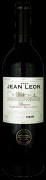
2005 Jean Leon Cabernet Sauvignon
Penedes district, Catalonia
13.5% ABV, $26 CAD **** BUY THIS NOW ****
(Liquor Control Board of Ontario)

85% single estate Cabernet Sauvignon and (15%) Cabernet Franc
vines:    planted 1969, the first Cab Sauv in Spain; 300 m elevation, south facing
aging:   25 months French oak
medals:   Silver @ Decanter awards 2010
  • visual:   clear; light cherry core with large cherry rim and the barest hint of brick
  • nose:    clean; fully intense developing bouquet of rich wood, blackberries, red and black raspberries, clean barnyard... very Haut-Medoc (Bordeaux) styled nose in my (humble) opinion
  • palate:   clean; dry, moderate+ red currant acids, moderate+ chalky tannins, moderate+ alcohol, moderate+ body, moderate+ developing flavors mimicking well the nose. Excellent balance and structure and very long length
  • conclusion:   this wine is a steal at under $30 CAD.. if you find it (there are only about 8 cases in all of Ontario as I write this), then buy as much as you can. This drinks well now, but will improve over the next few years. Consume 2013-2018 (and can keep beyond I'm guessing)
  • PAIRINGS:   buy the best beef tenderloin you can (free range), roll it in the best coffee you can buy, then sear it into carpaccio... serve it with grilled bread and a white truffle aioli and be transported to another world
   By far one of the best tastings I've been to in the past 6 to 12 months, and certainly one of the most enjoyable... what are you waiting for, go crack open a bottle of wine with your friends~!

As always, I welcome your questions and comments.

CINCIN~!!!     SLAINTE~!!!     CHEERS~!!!

Monday, April 11, 2011

Castillo de Almansa Reserva by Bodegas Piqueras

Between the high central plain of La Mancha and the Mediterranean sea, lies the Almansa D.O. (Denominacion di Origin) of Spain. It is in this place of transition that we find the town of Almansa; the home to Bodegas Piqueras winery ( http://www.bodegaspiqueras.es/ ) and the Castillo de Almansa wine, named for the famous castle or castillo of the region.

Almansa DO, Spain
   Bodegas Piqueras is a recent addition to Spanish winemaking by Old World standards, having been founded in 1915 by Mario Bonete, with the first bottled wine not being released until 1961. Mario's son, Juan Pablo, studied oenology and followed in his father's footstep's becoming his successor with the assistance of his brother Angel. The goal of Juan Pablo and Angel in their own words, is to produce eminent wines in limited quantities.

   By some standards, they are succeeding. In 2010, the Castillo de Almansa Valcante 2008 was a gold medal recipient at the Selections Mondiale du Vin in Quebec City, Canada. A prestigious award by anyone's standards, Juan Pablo and Angel moved on to receive 2 gold medals in Germany that year for the 2008 Valcante again and the 2007 red blend (Castillo de Almansa). A great year for the young winemakers.

2007 Castillo de Almansa Reserva by Bodegas Piqueras, S.A.
Almansa DO, Spain
$12.95 CAD  ** EXCELLENT VALUE**


soil:         basically calcareous
altitude :   700 metres
varietals :  70% Temperanillo (aka Cincibel, Tinta Roriz), 30% Monastrell and Garnacha Tintorera
  • visual:   clean; deep garnet core with light cherry/brick rim
  • nose:   clean; moderately intense and youthful aromas showing some development; red cherry, red raspberry, candied strawberries, old worn leather, light vanilla florality, end notes of deep exotic floral and savory spices (star anise)
  • palate:   clean; dry, fully intense red currant acids, moderate+ intense slightly grippy tannins, moderate alcohol, moderate body, moderate+ intense and developing flavors mimicking the nose well, with the addition of light tobacco notes and stewed plums. Very good balance and structure, medium length on the palate
  • conclusion:   drinking incredibly well for a $13 wine -this can be enjoyed 2011 to 2014 due to it's concentration of flavor and lively acids. Will not improve appreciably with time.
  • PAIRINGS:   grilled steak with Pequillo sauce - a smoked pepper from the Navarra region of Spain - it would work against the berry acidity and emphasize through contrast

Castillo de Almansa
   And so Juan Pablo and brother Angel have returned to their 190 hectares of vineyards (just under 500 acres) that they manage themselves and the almost 500 hectares they have contracted to them from other growers. All of the production is within the Almansa DO, and creates about 800,000 litres of wine (over 1 million bottles per year) in over 7 blends and single varietals sold in 17 countries.

As always, I welcome your comments and questions.

CINCIN~!!!     SLAINTE~!!!     CHEERS~!!!


2008 Vintage
$14 CAD (BC) spec listing
88+ points

Still an excellent value, this wine constantly overdelivers on value! This is a wine that sells at Tuesday night prices, but offers Friday night dinner dimension; rich red berry and old leather bouquet, terrifically well balanced and lively acid, chewy fine tannins, alcohol that is kept well in check... drink this now, drink this often. It pairs with a myriad of food choices, but tonight I'm enjoying just with some grilled sausage, bread and humus. 

Enjoy!!!

Sunday, February 6, 2011

Cotes du Rhone, M. Chapoutier, France

Deep in the southern Rhone, there is a closed in valley with still waters... that place is known as Fontaine-de-Vaucluse. It is from this fountain of still waters that the department of Vaucluse gets its name.
     Vaucluse is one of the many areas that Michel Chapoutier ( http://www.chapoutier.com/ ) uses for the grapes for his generic Cotes-du-Rhone blend (red and white). The Chapoutier family has been vinifying in the Rhone valley since 1808, and in that time, my how they've grown.
    
     From what must have been a one-vineyard winery, Chapoutier has grown to literally dozens of varietals grown in a multitude of AOCs not only in France, but in Portugal and even Australia as well! One never knows where a little grape-juice may take you....

     Well for the Chapoutier family, the wine industry has taken them to this rarefied platform in the wine industry. Not only do the have such a diverse array of wineries, but also a wine and gourmet food school where one can attend such day-lectures as "wine, truffles and the lunch-meal". If school was like that here....


the still waters of Fontaine-de-Vaucluse

     So a rarefied lifestyle, but what kind of wine are the family making with these seemingly limitless resources?? In Michel's own words, their wines are trying to "bring out the specific tastes provided by each local terroir and wine". Well funny, that; it seems like I keep hearing the same thing over and over again by winemakers (vignerons) from every part of the world. New World winemakers, Old World vignerons, traditionalists, experimentalists, small wineries and large conglomerates. The consensus is in folks: allow your land to express itself through the grape!
     And though Chapoutier uses grapes from Drôme,Vaucluse, Gard and Ardèche departments, what kind of a place is this Vaucluse? Tall mountains rising from impossibly steep gorges which run with the clearest water... small towns untouched from the frantic pace of the city; steeped in traditions running back to the time of the Romans. Ruins watching from the hillsides as people below gather their crops from some of the most abundantly fertile valleys in all of France. That, for some, is Vaucluse. And what of their wine?

2006 Belleruche Cotes-du-Rhone
Appellation Cotes-du-Rhone Controlee, France
mainly grenache and syrah
M. (Michel) Chapoutier http://www.chapoutier.com/
14.5% ABV, $19 CAD ( http://www.bcliquorstores.com/ )
   Very Good Value
  • visual:   clean; moderately deep garnet core with light cherry rim and the lightest hints of orange
  • nose:   clean; fully intense youthful aromas showing development; bright red cherries and raspberries from the grenache, light blackberry from the age, leathery oak, slight iron-like metal and a pronounced peppery finish
  • palate:   clean; dry, moderate+to full (red currant) acids, moderate (slightly chewy) tannins, moderate- body, moderate+ ABV, moderately intense and youthful flavors; red currants, red cherry, black currant and black berry, leathery oak, mineral backbone, finish with currants and light pepper. Moderate+ balance. Moderate+ structure. Moderate finish.
  • conclusion:   A well made, entry-level expression of the southern Rhone. True, there may not be alot of uniqueness to the flavor, but it certainly tastes and smells like the Rhone. Enjoy this now to 2013, the fresh fruit flavors will start to diminish rapidly after that I imagine.
  • PAIRINGS:   Big bold flavors! Grilled red meat with a Provencal stew of tomatoes, zucchini, eggplant and fresh herbs. Grilled polenta with Sprintz, or Asiago, or Parmesano-Romano cheese. Even grilled rabbit with aioli would be good (but may not be rich enough to balance the wine). Don't do spicy food because of the alcohol, and stay away from anything too acidic... this wine wants some fat with it.

And so, a great way for someone to get acquainted with the Southern Rhone style. Not terribly flashy, but it certainly delivers for the price!

CINCIN~!!!     SLAINTE~!!!     CHEERS~!!!

Thursday, December 30, 2010

Coteaux du Languedoc

Recently I was introduced to the Coteaux du Languedoc, or the western half of the Languedoc region. Those well-informed people at http://www.marquis-wines.com/ were kind enough to show me the ropes (as it were) and make my acquiantance with several decent bottles in the $20 to $30 range.

     Now that I have had the opportunity to study further, I will amend my earlier comment about the Languedoc and the Coteaux du Languedoc being different... firstly the entire area is no longer known as the Languedoc, it is the Languedoc-Rousillon. As well, the Coteaux du Languedoc is now known as the Languedoc. Confusing? You betcha. Try explaining that on an exam!

     So here I am, studying for an upcoming exam, tasting many wines from the Coteaux du Languedoc (whatever) and trying my darnedest to get a sense of the place. Here is what I've tasted so far...

Chateau Saint Martin de la Garrigue
2008 Bronzinelle  
  • please read review dated Weds 22 Dec
  • after decanting for several hours, my review stood the same. Excellent wine for the money and drinks above its price

2008 "Les Garrigues" by Domaine Clavel
terroir de la Mejanelle
about $25    **EXCELLENT VALUE**
52% Syrah, 26% Mouvedre, 22% Grenache
  • visual:     deep ruby core with slightest cherry rim
  • nose:      moderate+ intensity; youthful; somewhat layered; red berries (cherry, raspberry), oak, funky - earthy terroir (some would call this barnyard or even merde-de-poulet), spicy peppery finish
  •  palate:   0 dryness, moderate+ acids, moderate+ slightly grippy and green tannins, moderate body, moderately intense flavors; youthful; somewhat layered; leathery oak dominates (alot of new French oak I would guess), followed by red berries, the earthiness hits the palate solidly and sits there.... long length and very good balance, the alcohol is strong but balanced and not too hot
  • conclusion:   Very good wine that is already showing well, and with the strong presence of oak and fruit I would imagine that this still has some development left in it. Drinks best probably 2011-2014, and after that perhaps one runs the risk of having all that lovely baie rouges flavor die out
  • pairs with:    braised rabbit. I used to know a talented chef from Dublin who made braised rabbit with tomato & fresh thyme, then serve it over fresh farfalle pasta tossed in butter. So simple. So ridiculously good that 20 years later I can still taste it. 1+1=yum

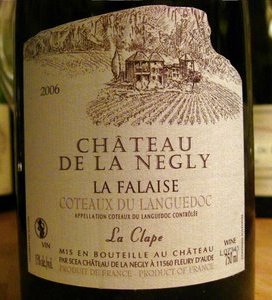
2006 Chateau de la Negly, La Clape
La Falaise (Coteaux du Languedoc)
$43    **BUY THIS NOW**
  • visual:     fully intense inky black-purple core with slight cherry/brick rim
  • nose:     fully intense; youthful showing slight age; layered; bright fresh red berries burst on the nose with cherry & raspberry from the Grenache, followed by a spicy pepperiness which is Syrah... leathery oak is a rich background from the new French oak (50% for 12 months), darker berries come through at the end with some slight heat from the alcohol and a dustiness from the terroir
  • palate:     0 dryness, moderate- acids, moderate+ soft supple tannins, moderate+ rich creamy body, moderately intense flavors; showing some age; layered; surprisingly it is the terroir that dominates the palate: dry dusty earth still full of richness, red and black berries come in with a rush of flavor, and at the end is a beautifully balanced oak structure. Incredibly well balanced for $40, great structure and length. Drinks far above its price.
  • conclusion:   These people know their land and their grapes. A brilliant wine. I know someone who said this could easily be an $80 wine if it weren't from the Coteaux du Languedoc... I don't think he meant it as an insult. If this were from Chateauneuf du Pape.... yea. I would pay $80 for it and feel justified. Power, elegance and richness.
  • Pairs With:    venison scallopini with a fresh thyme demi-glace with the barest hint of chevre cheese in it... steamed carrots tossed in wildflower honey... the slight gamey qualities of the wine will play well against wild meats and the rich acids and tannin crave a bit of fat


Chateau Negly


     My thanks again to http://www.marquis-wines.com/ and http://www.justgrapeswine.com/ for being so free and easy with their accumulated knowledge. Its said, that when a wine it made well, it ends up giving a sense not only of the land it was made on - but of the winemaker as well. I believe, after almost a year of school, after reviewing over 700 wines and writing over 100 articles, that perhaps I am starting to get the barest sense of that.

    Whether it be a $10 bottle or a $100 bottle (or higher!), the wine does tell a story, if it's made well. I feel honored, that so many people in the industry are allowing me to bumble my way through the long process that it is to understand wine. Then I feel doubly honored, when I taste a wine and truly can sense the vignerons *(winemakers) efforts. Its a beautiful thing, really, that someone on the other side of the world could have worked so hard last year or 5 years ago or 25 years ago - so that tonight I could have a special moment of peace.

     It's a kinda magic.


CIN CIN !!!   SLAINTE !!!   CHEERS !!!

Friday, March 26, 2010

oh my Achilles heel (Garnacha)

So everyone has something that is difficult for them. For some reason, blind-tasting Garnacha/Grenache is tough for me... I know Sebastian keeps reminding me to "look for the white pepper", but let's face it - it's not always there.

Grenache is a very widely planted grape - well known for spicy, fruit flavors, low tannins & high alcohol. It is also, I just learnt, often blended up to 80% into my wife's favorite wines; Chateau-neuf-du-Pape.

Lots to learn my friends.

WINE A

clear visual:
  • moderate garnet centre
  • slight cherry rim suggesting little or no age (2007-08)
  • moderate legs = moderate alcohol (12%?)

clean nose; moderate+ intense notes of

  • Old World funky leather
  • red fruit/berries
  • fungal/mushroom
  • white pepper
  • some sort of funky vegetal

clean palate; 0 dryness, moderate++ acid, moderate+ tannin, moderately intense flavors

  • chalk
  • leather
  • red fruit/berries
  • young black fruit

moderate body, moderate alcohol (my guess was 12-13% but it was 14.5%), good structure

2007 Las Rocas, Garnacha, de San Alejandro (Spain) **very good value @ $20**

________________________________________________________________

WINE B

clear visual;

  • pale garnet centre
  • light cherry rim (indicating little or no age: 2008 or younger)
  • strong legs (indicating high alcohol of 13.5% or higher)

clean nose; moderate+ intense aroma of

  • white pepper (yes Sebastian I get it)
  • funky leather (Spanish kegs)
  • red berries
  • hot alcohol
  • light rosey floral

clean palate; 0 dryness, moderate++ acid, moderate+ tannin, moderate+ intense flavors of

  • plums
  • white pepper
  • floral
  • chalk terroir
  • red berries

moderate body, full alcohol (14.5%), excellent structure

2008 Tres Ojos, Garnacha, Calatayad (Spain) **BUY THIS @ $15**

So maybe I understand a bit better now... Garnacha is high in acid, low in tannin, stupidly high in alcohol (like a Zinfindel). Aromas of white pepper & red berries, flavors of the schistous soil & that oh-so-funky Spanish casking system of theirs. Big frikin wines & Lord knows I love a glass of this!

Monday, February 8, 2010

Grenache & Garnacha

So I don't know anything about Grenache, but it's my next lecture (tomorrow) and so I decided to get in some early tasting to discover more about this grape.

I found out that it's one of the most planted grapes in the world. It's used in my wife's favorite red-wine blend; the famous blends of Chateauneuf du-Pape (80% is Grenache). It is also used as the base for most Australian ports (which I love and adore). It is also apparently very low in tannins - which truly befuddles me as I got huge tannins from this!

WINE A

clear visual, moderate+ intense color of light garnet

clean nose, moderate+ intense nose of plum, blackberry, leather, wild game, some ash or coals and a hint of clove

00 dryness, moderate+ acids, moderate++ or full- tannins, moderate+ intense flavors of cherry, strawberry, currants, huge spice & a light taste of leather (which I discovered is linked with the oaking of reds)

the body is moderate-
the alcohol is a HOT 14.5%
palate length is 6-10 seconds

It's a good wine but holy crap it's a heavy glass of wine on it's own. I would try it with something like the beef Bourguignon I made today with CAB ribeye steak.... big beefy flavors, herbs & richness. I would want something rich and creamy to balance the huge tannins & flavors.

note: this wine develops sophistication and finesse with decanting. I know - decant a Grenache? Well I tried it and this wine is so much more drinkable after an hour (of vacu-vin it and drink it the next day). The heat in the alcohol softens and the subtle nuances are more easily discernable

YALUMBA BAROSSA GRENACHE 2006, ** BUY THIS @ $25 **

WINE B

clear visual, full intense deep ruby color

clean nose, moderately intense nose of: overripe plums, hibiscus, red roses, vanilla, hay/straw

0 dryness, moderate-- acids, moderate+ tannins, moderately intense flavors of: strawberry, chalk, something peaty and heirloom tomatoes

moderate body
moderate+ alcohol (12.5%)
good length of 8-12 seconds

I thought this was an easy-drinking red - very approachable with soft flavors (relatively rich compared to the price).

CASTILLO de MONSERAN, GRENACHA (non-vintage), **BUY THIS @$11